Opportunities and Challenges: South Sudan Artisanal Gold Mining.
South Sudan is rich in mineral resources with over 20 different types of minerals with Gold being the most important. The Ministry of Mining roughly estimated a quarter of a ton (±200 Kg) of gold produce from artisanal mining activities in the country (British Geological Survey-World Mineral Production 2013-2017). Gold has been reported at various areas in the Equatorial region, such as, Kapoeta district, Luri districts, Lobonok district, South of Yei district and the Aswa-Nimule shear zone near Kinyeti (Mineral Services-Newsletter n05, 2011). The informal activity employs more than 60,000 people and indirectly benefit half million of the population (Cord-aid Mining in South Sudan report-Jan, 2016).
In early 2017, South Sudan Ministry of Mining initiated a plan to utilize the country’s gold resources through small-scale mining operations, with an aim to diversify the economy and generate revenue to recover the struggling economy. After thorough study and research, Gorom district was identified and selected to be the suitable location to start the project.
Why Some Nations Do Well in Mining and Others Do no
When considering the varying degrees of success among mining nations such as Australia, United States of America, South Africa, Canada, Russia and China, I am reminded of the insights provided by economists Daron Acemoglu and James A. Robinson in their 2012 seminal work, "Why Nations Fail: The Origins of Power, Prosperity, and Poverty." Their analysis offers a comprehensive understanding of the critical factors that influence the economic trajectories of nations. This reflection was further prompted when Mr. Lupislay Roman of South Sudan Mining Journal requested my opinion on why Australia stands as one of the world's premier mining destinations and yet some countries with abundance of mineral resources are less privileged.
Artisanal Mining in South Sudan – An Opportunity for Formalization and Improvement
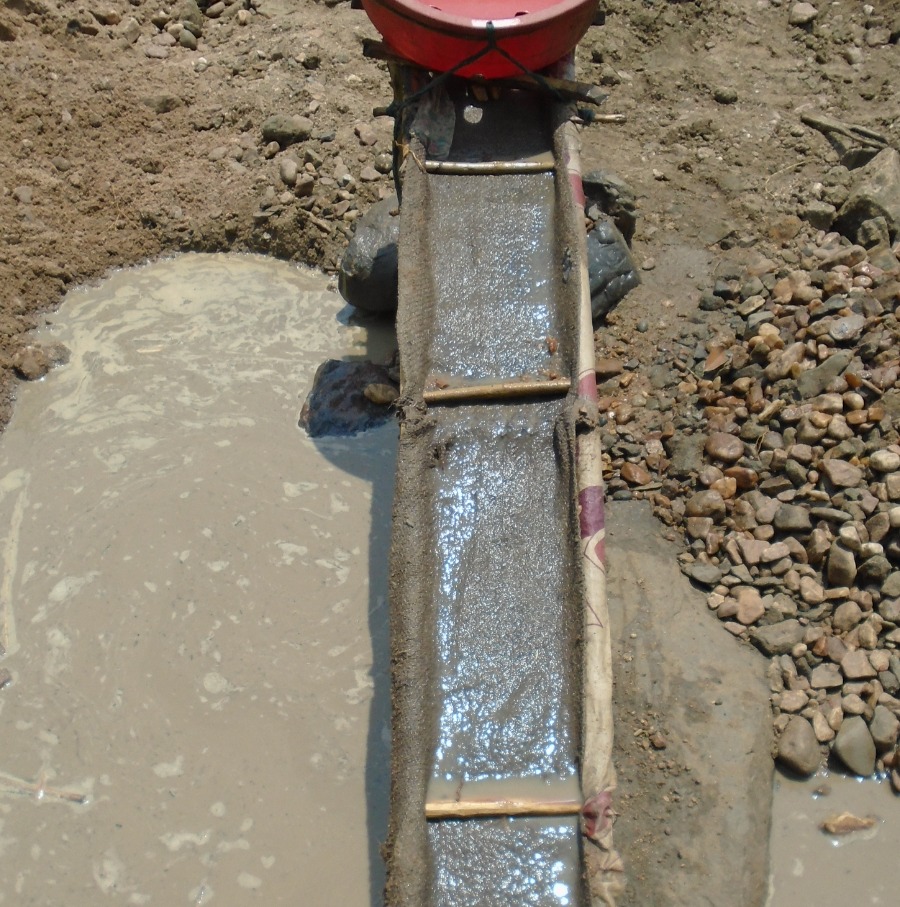
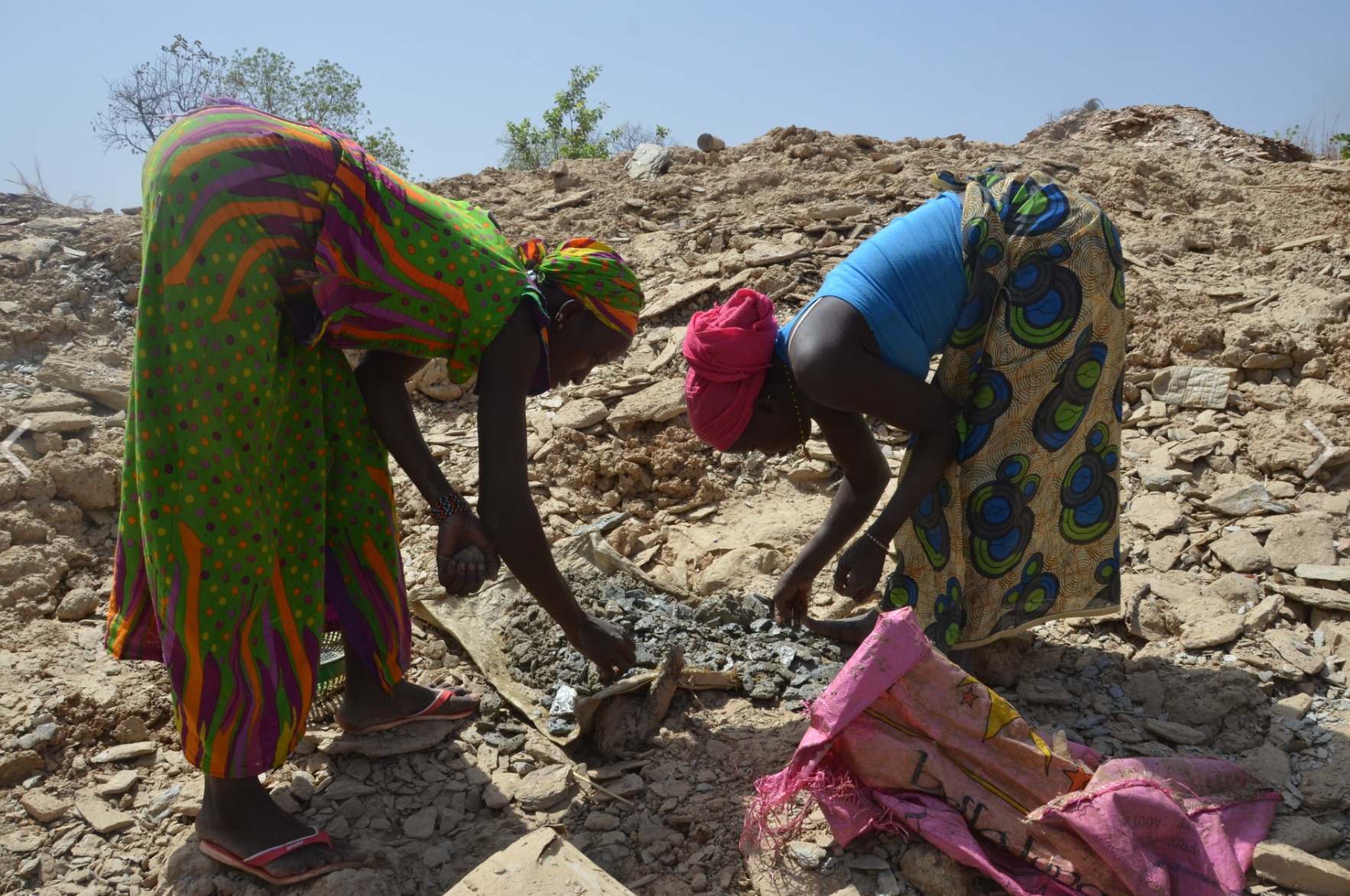
Since the secession of South Sudan in 2011, artisanal and small-scale gold mining has emerged as a crucial driver of the country's economy. This sector has rapidly expanded, particularly in Central and Eastern Equatoria States, becoming a vital source of livelihood for many young men. This trend is not confined to local youth; it also attracts young men from neighboring countries who are eager to improve their income quickly. In just over a decade, artisanal gold mining has permeated most regions of South Sudan, highlighting its significant socio-economic role.
The economic benefits of the Paloch – Pagak highway
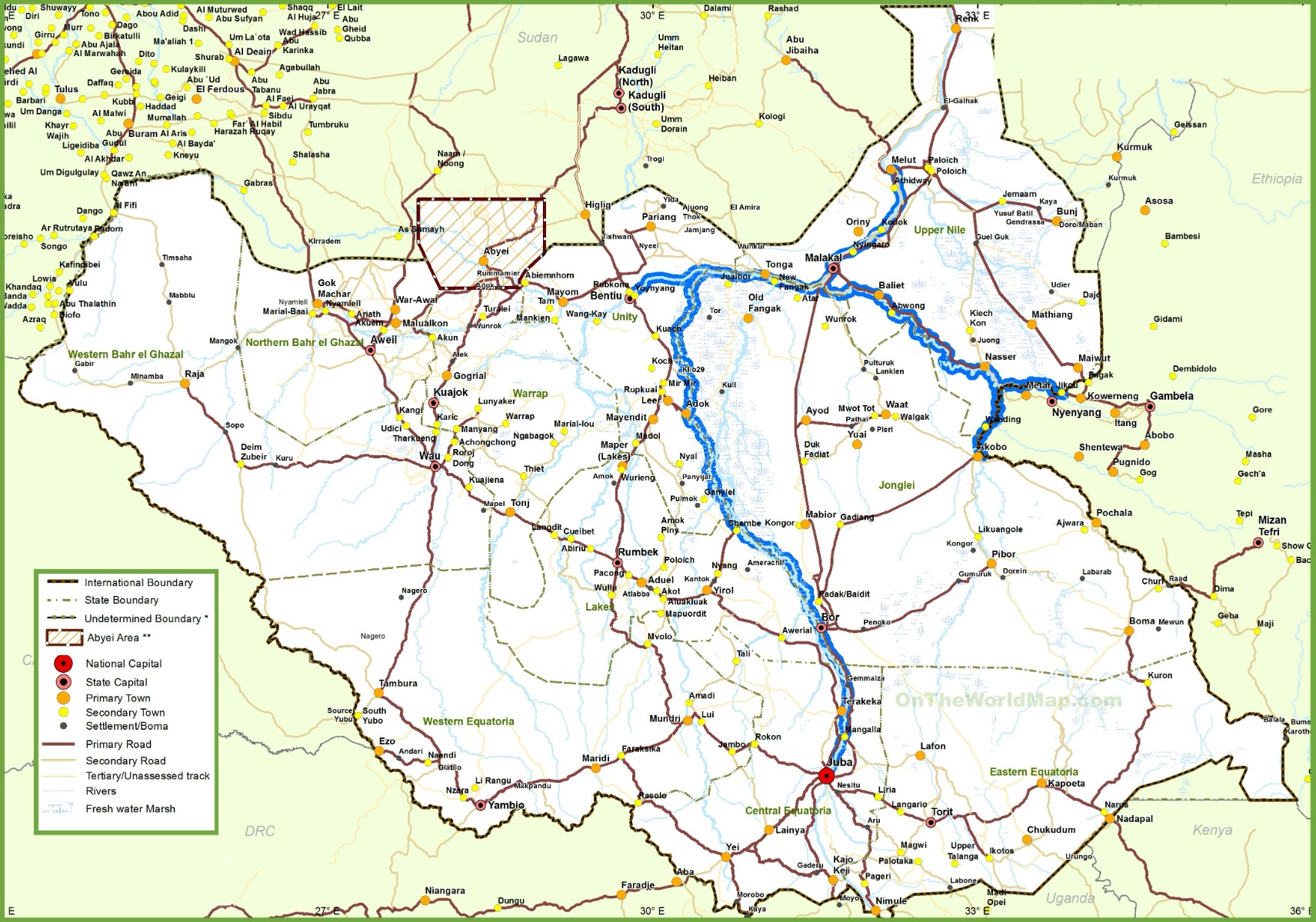
In June 2024, the South Sudan Transitional National Legislative Assembly ratified the Ethiopia—South Sudan financial agreement to build a 220 km cross-border highway connecting Ethiopia and South Sudan, which will cost $738 million United States dollars. [1]
ESG: The Key to Attracting Quality Investment in South Sudan’s Extractive Sector
As South Sudan emerges as a potential global player in the critical minerals market, the country’s vast, untapped mineral wealth presents an unparalleled opportunity for economic transformation. Whether this potential leads to sustainable development or the pitfalls of the "resource curse" now depends on Juba’s commitment to robust Environmental, Social and Governance (ESG) principles supported by the effective implementation of its legal framework, particularly the 2012 Mining Act.
Clean-up of mining-generated environmental waste in South Sudan using livestock excreta
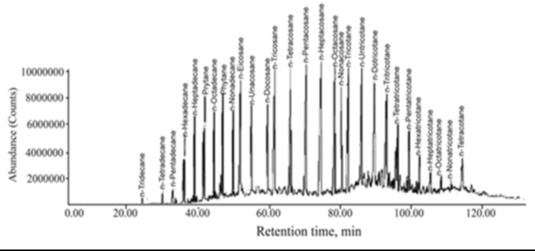
Extraction of mineral ores is a prominent world-wide socio-economic activity. It is common in South Sudan. The strategic importance of the sector has attracted significant investments in the mineral-rich ecological zone by the government and foreign direct investments especially. Crude oil is the most exploited mineral in the area. The extractive industry entails several processes in the oil value chain. These are performed before, during and after the discovery of an oil rich site. Despite the rich oil deposits, South Sudan is commonly cited by studies reporting about its dirtiest oil industry worldwide. At the same time, the country has a high number of livestock whose excreta has been proven as an excellent clean-up agent for mining-generated waste from the environment. Thus, the purpose of the study was to establish the efficacy livestock waste in the environmental clean-up of mining generated environmental waste in South Sudan. Data were collected through ex situ experiments that were conducted in a screen house at the University of Juba for a period of ten months. Results of the study revealed that cow dung degrades hydrocarbon contaminants using resident bacteria. Besides, when applied in a medium like blank soil, cow dung creates alluring conditions for soil microorganisms including bacteria to chelate hydrocarbon contaminants. The study concluded that application of livestock waste is a promising approach for attaining environmental conservation amidst mining. The study recommended need for scientific studies to explore best practices for deploying livestock excreta and more so, consortia for effective environmental clean-up of mining waste.
EXPLORATION OF GROUNDWATER POTENTIAL ZONES USING ELECTRICAL RESISTIVITY METHOD A CASE STUDY AT BILLINYANG VILLAGE, CENTRALEQUATORIA STATE, REPUBLIC OF SOUTH SUDAN
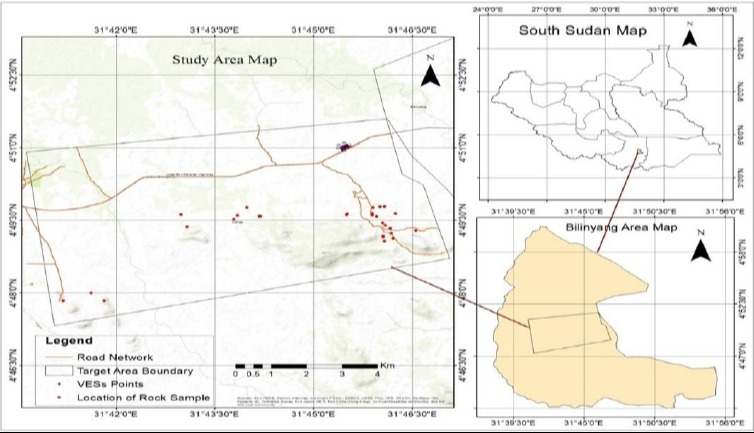
The essence of the study was to explore the groundwater potential zones in Bilinyang village, Central Equatoria state, South Sudan. Several factors which exerted acute shortage and inaccessibility for ground water resources outlined were over-exploitation, quality deterioration, rapid population growth and urbanization . Also, the climate change has triggered high evaporation and drought, which eventually led to the reduction in water table in existing boreholes . The study area is underlain by hard rock; however, the complexity of hard rock aquifers is controlled by low permeability and porosity which results into low output impeding both the usage of and accessibility to groundwater. The Schlumberger arrays was utilized in order to outline lateral and vertical variations in electrical resistivity. Twenty-nine VES points were recorded with electrode separation (AB/2) ranging from 1-100m using Terameter SAS 1000. The acquired data were analyzed by different software; IX1Dv2 used to generate the curves and IPI2win to produced pseudo-section. The varying curve types Q, H, K, QH, KH and AK where Q, K and QH were the dominant types identified which indicate the heterogeneity nature of the subsurface formation. However, the findings indicate that the basement to be hundred meters beneath the surface and the upper cover are sediments of Um Ruwaba formation comprising of three layers; very dry top soil, statured clayey, and weathered basement beds. Most of the VES points exhibited high conductivity, indicating that; the study area possesses potential zone relatively at shallow depth around 30-90m, the aquifers are thick and unconfined with high porosity but with low permeability. Since the method used is limited in some aspects; it is recommended that more detail methods be chosen such as integrated electrical method with remote sensing and GIS, or electrical tomography in order to reveal the subsurface lithologies. And for sustainable ground water supply in the area, it requires imaging the deeper zones beyond 100m. Finally for any future borehole drilling VES (02, 03, 05, 10, 12, 19, 20, 23 & 25) are recommendable.
MAPPING HYDROTHERMAL ALTERATION ZONES IN THE DIDINGA HILLS, SOUTH SUDAN.
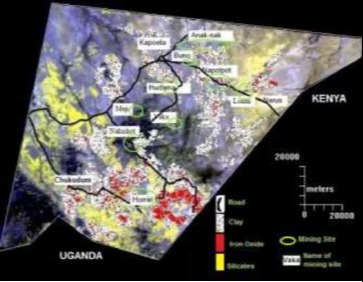
South Sudan, a new country, is planning to develop its mineral sector by allocating exploration licenses to inves­tors, a decision that requires preliminary knowledge of the geology and mineral occurrences, both of which are unavailable as the country has been engaged in a civil war for over 50 years. In concert with this need, the objective of this study is to apply remote sensing techniques for mapping hydrothermal alteration zones of the Didinga Hills region in South Sudan, an area that is not easily accessible due to rug­ged terrain, poor roads, and wars; hence the mapped altera­tion zones would be utilize as potential areas to facilitate allocation of mineral titles through the South Sudan Mining Cadastre System. Despite that, there are artisanal gold min­ing sites being excavated by the natives in the area for dec­ades. Those sites have been utilized as ground truth in veri- lying the results of this study. Digital processing of the multispectral images (Landsat 8) for the study area has been performed to extract information related to lithology, hydro-thermal alteration, and geological structures using optimal band combination, band ratioing, and principal component analysis techniques. The results proved the efficiency of remote sensing data and techniques in providing the required geological information for the new country to sustainably develop its crucial mineral resources, which will contribute effectively to socioeconomic planning, development, and prosperity of the nation.
Why South Sudan should consider producing more fossil fuels than renewable energy
South Sudan, a country rich in natural resources, is at crossroads when it comes to its energy production, it is home to vast oil reserves. With an estimated 3.5 billion barrels of proven oil reserves, the country has the potential to become a significant player in the global oil market.
MAPPING SOUTH SUDAN PRECAMBRIAN BASEMENT ARCHITECTURE USING SATEL- LITE-DERIVED GRAVITY DATA
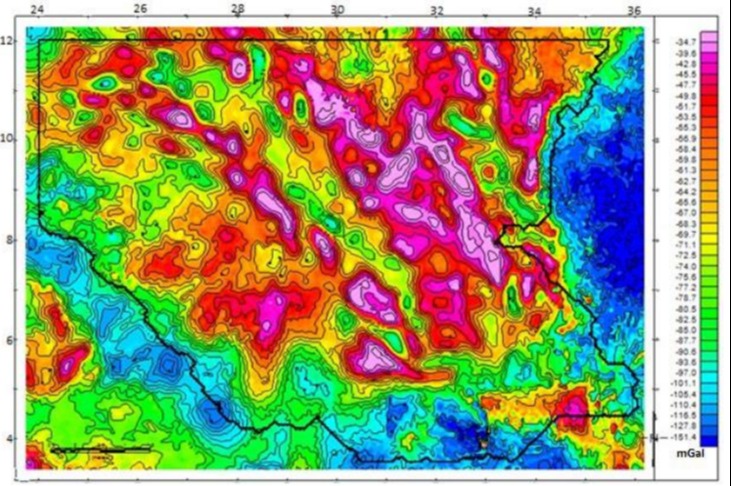
Freely available satellite gravity data augmented with ac­quired land gravity data were used to map the basement ar­chitecture of South Sudan. The potential field data enhance­ment methods used in this study are horizontal gradient, tilt angle, and analytical signal, which provided the capability of delineating major geologic structures, lithologic boundaries, and tectonic lineaments that can be visually identified by edge-detection processing methods. Qualitative interpretation of satellite-derived Bouguer gravity data has aided mapping of the basement geology of South Sudan, and the results are consistent with the known oilfields and areas of Precambrian basement complexes. Consequently, the information would aid in identifying addi­tional mineral prospective areas, where more detailed gravi­ty, magnetic, electromagnetic, and seismic surveys can be carried out; the combination of these data will assist decision makers in matters related to land use, mineral titles, and ex­ploration of natural resources.